
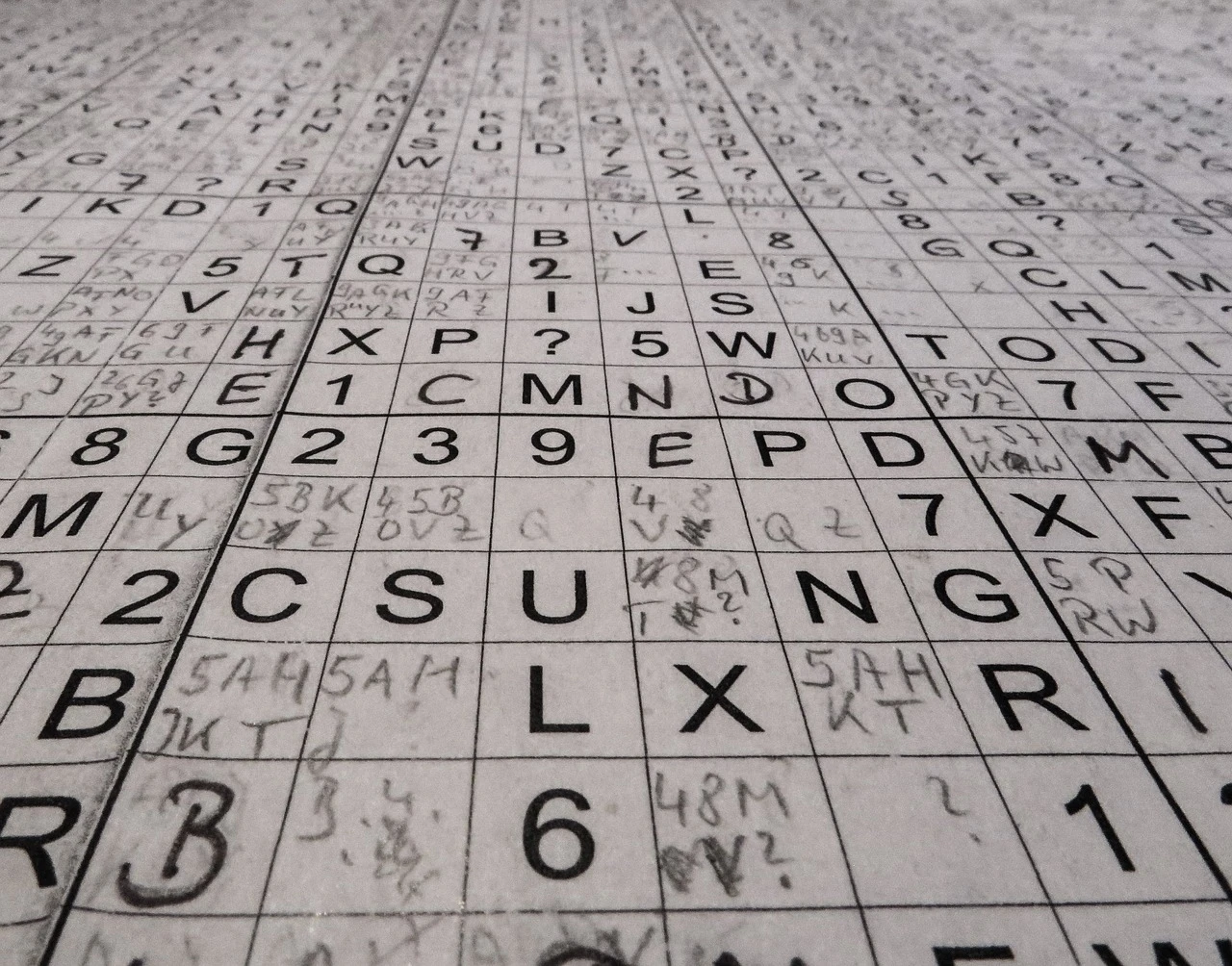
If you’re reading this, you’re probably familiar with the web-based logic puzzle, Sudoku medium. However, you may not be familiar with “the candidate mode, which is a very useful tool for improving productivity, speed, and accuracy. Here, we’ll take a closer look at what the candidate is, how it’s better used, why it’s effective, as well as the mistakes you should avoid.

Understanding candidate mode
The candidate mode is a Sudoku medium mode that includes marking potential figures, or “the candidates can fit in each cell. You note down where candidates can be based on which numbers have been in other cells on the same row, column, or 3×3 removed as options. There are finite candidates for each cell, from 1 to 9, so eliminating them can be essential to your game.
Because the more difficult direct solution in the advanced puzzle, using the candidate mode is a skill required to track potential solutions, narrowing them down as you go.
The candidate mode can be used in two main ways:
- Penmarks: This traditional method includes putting small numbers in an empty tank, listing all possible candidates.
- Digital ToolMost of the Sudoku web platforms features ‘ The candidate mode automatically fills candidates for each cell based on the current entry, updated them according to the puzzle process.
By using the candidate mode, the cryptographers can avoid speculative guesses and work systematically to solve puzzles.
Sign Use
If you don’t use the automotive mode, then you should develop your strategy to effectively use the candidate cues, this intelligence one step at a time:
Step 1: Original position
Start by going from cell to cell, marking candidates based on which numbers have been in rows, columns and blocks. Write down all possible candidates in the cell, moderately certain that you are erasing all the numbers already in that pattern.
Step 2: narrow the candidates
Every time you fill in a number or model of the number, make sure to delete them as candidates in other cells that are in line, cell, or block. This can also help you quickly recognize that the position cells are left with only one candidate.
Step 3: Collate
The candidate mode helps you cross-reference between rows, columns and blocks. If a figure fits just one block or row by candidates present in the surrounding cells, you can confidently put that number there.
The candidate marked effectively requires constant updates and attention to detail to ensure that you do not miss an opportunity to place the number.

Benefits of Candidate Mode
Starting with filling in all potential candidates for each cell seems to take much time, but there are significant advantages to starting slower.
Edit accuracy
The mistakes are those who spend a lot of time in the puzzle game, because you can spend a lot of time not detecting them, and even fix them longer. There is a general view of the potential values for each cell that make you less likely to speculate.
Simplify complex puzzles
In the high-end pun, there may not always be a direct solution. The candidate mode divides the puzzle into controlled steps, allowing you to progress methodically. This is especially useful when the problem solves the ranking “hard” or “Epert”, where it becomes difficult to place numbers without removing the first candidate.
Speed of Time
While writing in early candidates can take more time, it saves you a lot of time in the line, you can quickly locate the figure when you can narrow the options on the board, and by cross-reference after each solution, you can quickly figure out which solution is in a reasonable way.
Encourage Logic
The candidate mode focuses on Sudoku’s logical side, removing the options and finding a single solution to each cell. It helps you quickly grasp the opposite side of the game, instead of trying to guess.
Help identify advanced templates
The marks of the candidates make it easier to identify advanced resolution techniques, such as D’s naked, single, X-Wing, and swordfish. By analyzing candidates on rows, columns and blocks, you can recognize models that otherwise will become invisible.
Common Errors to Avoid
The candidate mode can help you avoid mistakes, but it is not easy. Following are some mistakes you should remember when using them.
Slide Show
You want to make sure you don’t add more points, because it can mess up the network and make it difficult to read. Start by removing the wrong obvious solutions to make the cells easier to read.
Failed to Update Processes
Remember to update the candidates as the puzzle progresses, as soon as you solve a cell or a sample. Otherwise, you might accidentally use candidates that would later have been ruled out by forgetting their position.
Ignore Simple Counsel
Sometimes the resolvers are so focused on candidates that they ignore clear positions. Always scan the puzzles for candidates or cells where there is only one position for a certain number before relying on the signs.
Excessive on Digital Tools
Auto-automatic features in online games can be very useful, but they can also prevent you from improving your own logic skills. Try to practice with manual candidate mode to improve the game.
Associated With Other Engineering
The candidate mode can be closely incorporated with other resolution techniques in order to enhance Suman resolution skills. This is how you combine the candidate mode with the key strategy:
Naked Singles
When a cell can only have a naked candidate. If you use candidate mode, this technique becomes more apparent because the other candidate stands out.
Single
The isolated singles are the only option for some in a row, column or block, although many can be present in other cells. The candidate mode helps identify hidden forms, as you can scan the visual figures that appear only in one place in a certain segment.
Naked couple and triple.
If two cells in a row, columns, or blocks contain exactly two candidates, they form a pair of stripes, meaning that those two numbers must occupy those two cells. By putting out the candidate mode, you can easily detect two pairs or three pairs of naked pairs, allowing you to remove those candidates from other cells in the same row, column or block.
The screen has been closedName
For the higher players, the candidate mode may help identify X-Wing samples or swordfish, where a figure is limited to two or three places on multiple rows or columns. These models remove that number from other cells, providing an important step to solving the puzzle.
By combining the candidate mode with these techniques, you open up new solutions and can solve even the most complex puzzles with confidence.
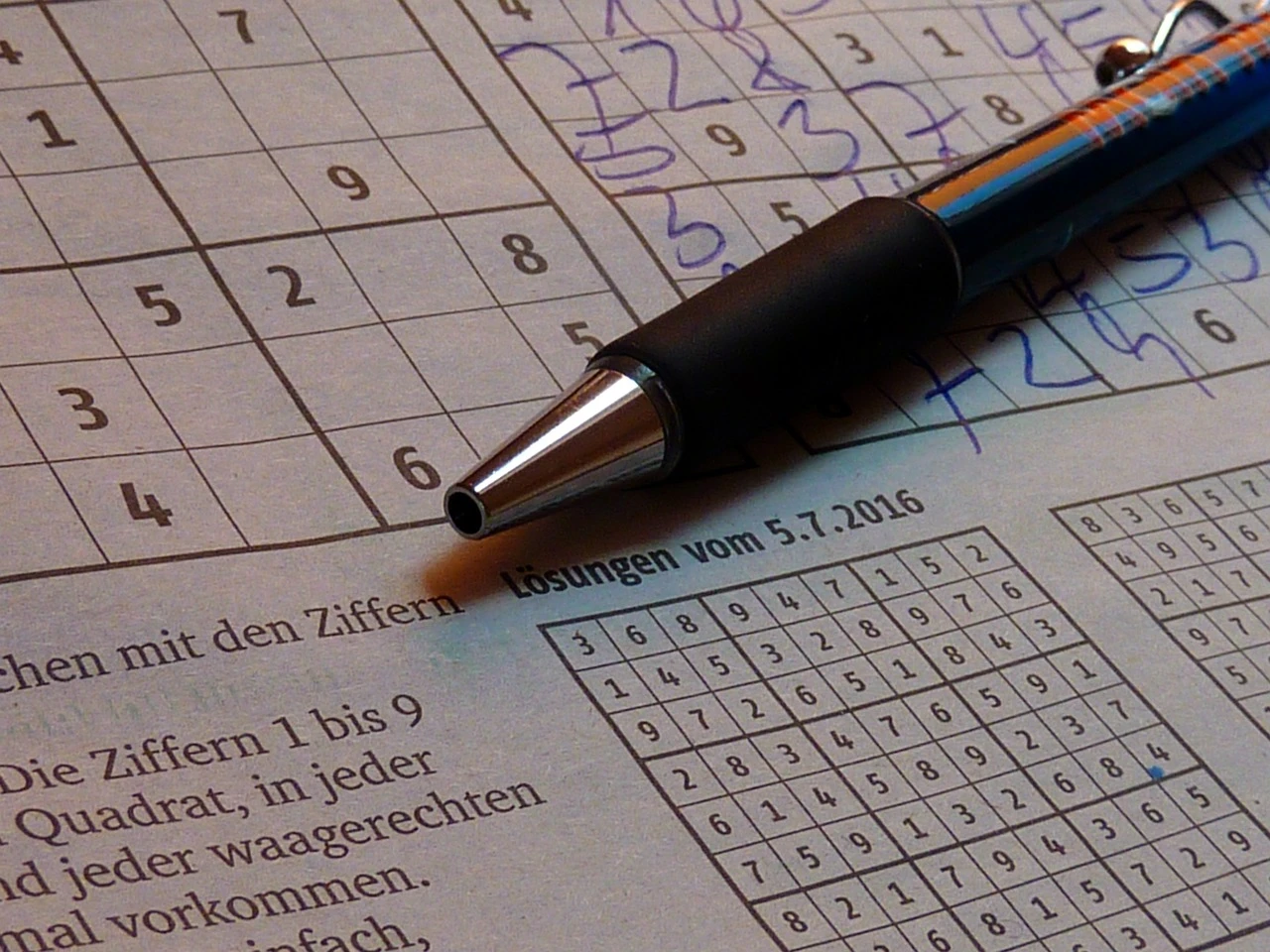
Examples of Action Mode
Let’s look at an example of what the candidate regime does:
Start with an empty cell in the middle of the net, imagine sweeping rows, columns and blocks, discovering that the numbers 1, 4, 5, and 7 have been there, leaving you candidates for two, three, six, eight, nine.
With the candidate mode, you write these candidates in each of these cells as pencils. When solving the puzzle, you see a number 6 in a neighbouring cell, removing it from potential candidates, also narrowing the candidates down to 2, 3, 8, 9.
Put 3 in the same row, remove that, leave you 2, 8, and 9 in the same network. After marking number 9 in the column, it leaves 2 and 8. If you see one of two or eight in the net, row, or column after that, it will leave you with a single solution. If not, you continue with other parts of the puzzle, cross-reference when you find the new soltuson.
Effective Counsel
To take advantage of the candidate mode, consider the following advice:
Be Organized
Keep clear and reasonable signs to avoid confusion. Trouble networks lead to mistakes and waste of time.
First of all, smoking
Use the candidate mode whenever necessary. If you can resolve a cell without a candidate, do so to reduce the number of jobs that will follow.
Perform Application Management
On larger puzzles, it is easy to lose track of candidates who need to be updated. Make it a practice to review fresh pencil marks every time you fill in a new issue.
Learning When to Transfer
As you approach the end of the puzzle, the candidate sign becomes less necessary. Move to fill in the numbers directly when it is clear where the values belong.
Resolution of Cooperation
Improve the game by increasing how effectively you can use the candidate mode with the following advice:
Co-optitude mode coordinated with scan
Instead of filling the entire network with candidates, scanning the network first to get the idea of what numbers have been made, allowing you to limit which candidates you have. Sometimes, you can directly deduce the first number, preventing you from wasting time.
Textcompletion
As soon as you put a number, remove that candidate in the application cells. Let’s get used to this quick workshop so we can make the flow.
Training With the Right Questions
Practice using the candidate mode in the time puzzle to improve your performance. The more we practice under pressure, the faster and more accurate the markings are made.
The regime represents Master Sudoku
The candidate mode is an essential tool for anyone who seeks to improve his performance at Suman, or who is trying to solve more advanced puzzles. Practice uses it and avoid using too many automatic features to develop rational skills that can make you a master of Sudoku.